
The VIX just woke up.
After spending much of the past month grinding around the mid-teens, the Cboe Volatility Index jumped to around 21.5 on Friday, pushing back above the psychological 20 line. That does not mean “market crash.” But it does mean one thing very clearly: investors are suddenly paying more for protection.
What happened to the VIX?
The VIX rose sharply to about 21.51, up nearly 24% over one month, after sitting for weeks in a relatively calm range between roughly 15 and 18.
That move matters because the VIX is not a stock. It measures expected 30-day volatility on the S&P 500 through options pricing. In plain English: when traders rush to buy downside protection, the VIX tends to climb.
A move above 20 is usually read as a shift from “calm but watchful” to “nervous.” It is not panic territory, but it is no longer complacency.
Why did the VIX spike?
The trigger appears to be a classic cocktail: stronger-than-expected U.S. jobs data, rising rate fears, and a brutal tech-led selloff.
According to Reuters, Wall Street fell sharply after a robust May jobs report reduced hopes for Federal Reserve rate cuts and revived concern that rates could stay higher — or even move higher — for longer.
That hit growth and AI-linked names especially hard. The Nasdaq fell heavily, semiconductor stocks were under pressure, and the S&P 500 also dropped. When mega-cap tech and chips sell off together, volatility pricing usually reacts fast.
In other words, this was not a random VIX pop. It was the options market repricing risk after investors saw a hotter macro backdrop and a crowded tech trade wobble at the same time.
What it means for markets
The key message is that hedging demand has returned.
A VIX near 21 suggests traders now expect wider swings in the S&P 500 over the next month. That can happen during a correction, around a major macro surprise, or when investors are sitting on large gains and suddenly decide they need insurance.
This does not automatically signal a bear market. The VIX can spike, cool down, and let equities recover. But the change in tone is real: the market has moved from “buy the dip” confidence to “protect the book” caution.
The most important detail is whether this move fades quickly. A one-day VIX spike that drops back below 20 can be a volatility scare. A VIX that holds above 20–22 suggests stress is becoming stickier.
VIX levels to watch now
The first line is 20. If the VIX falls back below it quickly, markets may treat this as a short-lived shock.
The next zone is around 22. A sustained move above that would suggest investors are still adding protection and expecting more downside turbulence.
Above 30, the conversation changes. That is where volatility starts looking less like caution and more like panic. We are not there yet.
For now, the VIX is flashing amber, not red. The market is nervous, tech is under pressure, and rates are back at the center of the story.
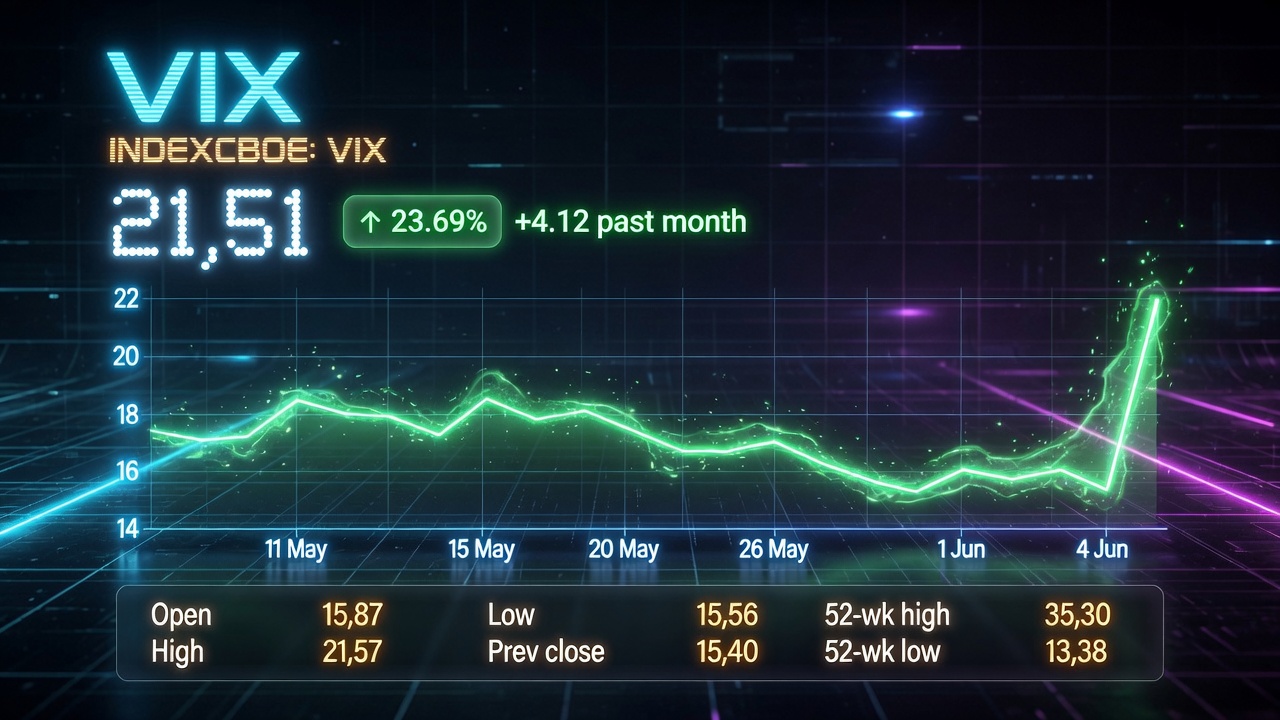
The VIX jumped above 21 as strong jobs data, rising rate fears and a tech-led selloff pushed investors back into protection mode.
VIX spike: key questions
What is the VIX?
The VIX is the Cboe Volatility Index. It tracks expected 30-day volatility in the S&P 500 based on options prices.
Why did the VIX rise?
It rose because investors bought more protection after strong jobs data increased rate fears and helped trigger a tech-led market selloff.
Is a VIX above 20 bad?
It signals elevated market stress, but not panic. A VIX above 20 usually means investors expect larger stock-market swings.
Does this mean stocks will crash?
No. The VIX measures expected volatility, not guaranteed direction. It often rises when stocks fall, but a spike alone does not predict a crash.
What should traders watch next?
The key level is 20. If the VIX stays above 20–22, market stress may remain elevated. If it falls back below 20, the spike may prove temporary.
Is this financial advice?
No. This article is for market analysis and information only. It is not investment, trading, or financial advice.